 Within extreme instances, over-exercising induces serious performance loss. Unaccustomed overexertion of muscles results in rhabdomyolysis (damage to muscle) most often seen in new army recruits. Another danger is overtraining, in which the intensity or volume of training exceeds the human body's capacity to recover between bouts. One result of detrimental overtraining is suppressed immune function, with an increased incidence associated with upper respiratory tract illness (URTI). An increased occurrence of URTIs is also associated with high volume/intensity training, as well because with excessive exercise (EE), such as within a marathon. Marathon training requires the runner to build their particular intensity week to week which makes them a lot more susceptible to injury the more they enhance their mileage. A study shows that in the last 10–15 years up to 90% of marathon athletes have suffered a actual physical injury using their training.Stopping excessive exercise suddenly might create a change in mood. Exercise ought to be managed by each body's natural limitations. While one arranged of joints and muscle groups might have the tolerance to face up to multiple marathons, another body may be damaged by 20 minutes of lighting jogging. This must become determined for each individual.As well much exercise may cause a woman to cease menstruation, a symptom known because amenorrhea.Skeletal muscleOpposition training and subsequent consumption of a protein-rich food promotes muscle hypertrophy and gains in muscle power by stimulating myofibrillar muscle protein synthesis (MPS) plus inhibiting muscle protein breakdown (MPB). The stimulation of muscle protein synthesis by resistance training occurs through phosphorylation of the mechanistic target of rapamycin (mTOR) and subsequent activation of mTORC1, which results in protein biosynthesis in cellular ribosomes via phosphorylation of mTORC1's immediate targets (the p70S6 kinase and the translation repressor protein 4EBP1). The suppression of muscle protein break down following diet occurs primarily via increases in flat screen insulin. Similarly, increased muscle mass protein synthesis (via activation of mTORC1) and suppressed muscle protein breakdown (via insulin-independent mechanisms) has also been demonstrated to occur following ingestion of β-hydroxy β-methylbutyric acid.
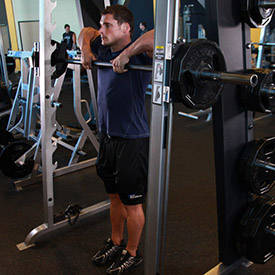
Trapezius Workout With Barbell Stock Photo Image: 62870058

Legendary Backs: Joel Stubbs FLEX Online

Trap Bar Jump Exercise Guide and Video

Trap Bar Deadlift Exercise Guide and Video

Comments
Post a Comment